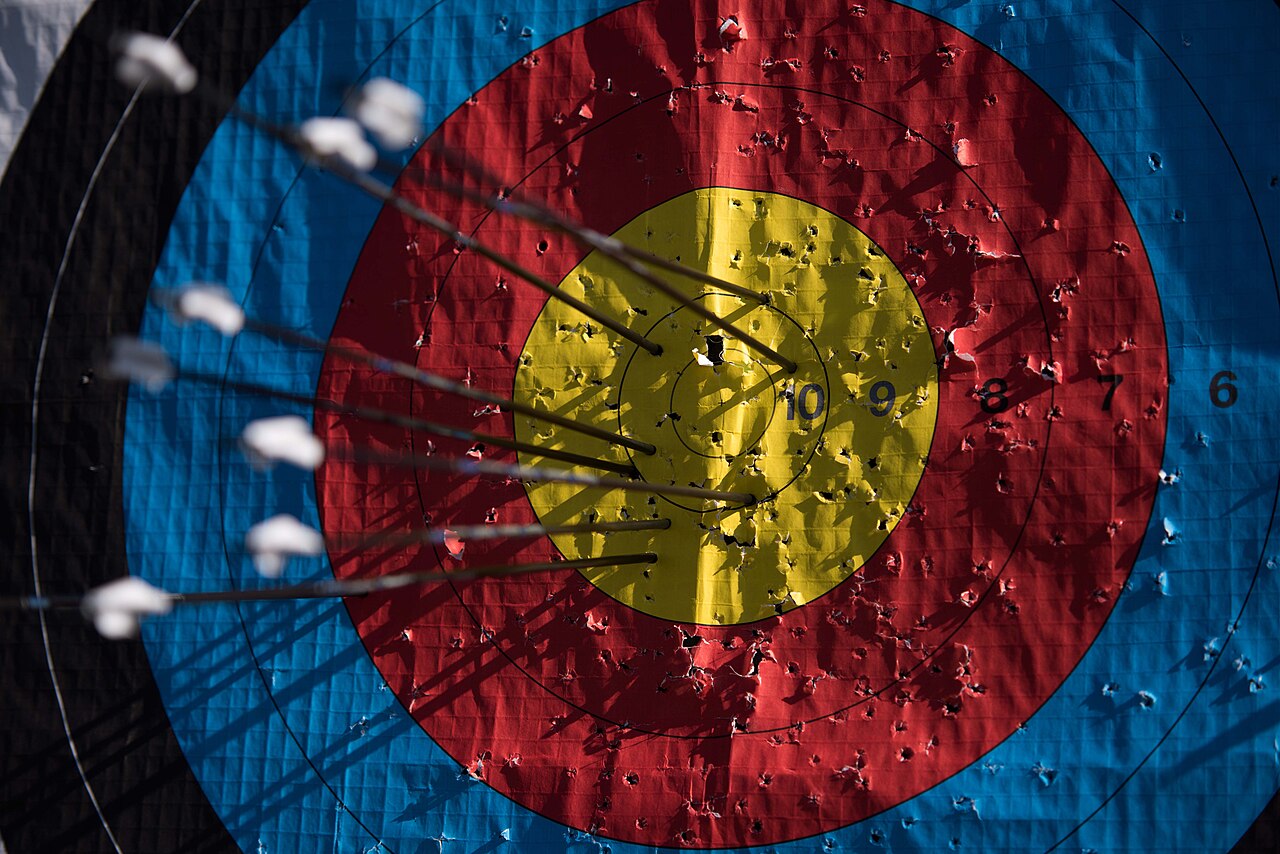
Countries With the Most Olympic Archery Medals
Countries With the Most Olympic Archery Medals
Archery at the Olympic Games has produced a clear set of historical leaders. This guide breaks down which nations have won the most Olympic archery medals (all events, all eras included), explains the reasons behind the dominance of the top countries, and — for SaskArchery readers who bet on major events — explains when and how bookmakers typically offer archery markets. All medal totals below are taken from the authoritative Olympic archery medal records through the 2024 Paris Games.
Quick summary
- Most Olympic archery medals (total): Republic of Korea (South Korea) leads by a large margin. Olympedia – Archery.
- Second and third by total are the United States and France (historically strong across early- and modern-era events). Olympedia – Archery.
- Bookmakers commonly price archery markets primarily at major events (Olympic Games, World Championships, Hyundai Archery World Cup stages); continuous, deep markets are rare outside those peaks. See sportsbook rules and event-specific coverage examples from major operators. bet365 – Archery rules, BetMGM – Olympics coverage, World Archery – Betting & Integrity.
Top Olympic archery nations (all-time, through Paris 2024)
Below are the leading National Olympic Committees (NOCs) by total Olympic archery medals. The counts include early-era events (1900–1920) and the modern Olympic archery programme (reintroduced 1972 onward) and are sourced from Olympedia’s compiled Olympic archery medal table.
| Rank (by total) | Country / NOC | Gold | Silver | Bronze | Total |
|---|---|---|---|---|---|
| 1 | Republic of Korea (KOR) | 32 | 10 | 8 | 50 |
| 2 | United States (USA) | 14 | 11 | 10 | 35 |
| 3 | France (FRA) | 7 | 12 | 8 | 27 |
| 4 | Belgium (BEL) | 11 | 6 | 4 | 21 |
| 5 | People’s Republic of China (CHN) | 1 | 7 | 2 | 10 |
| 6 | Italy (ITA) | 2 | 3 | 4 | 9 |
| 7 | Great Britain (GBR) | 2 | 2 | 5 | 9 |
| 8 | Japan (JPN) | 0 | 3 | 4 | 7 |
| 9 | Soviet Union (URS) / historical teams | 1 | 3 | 3 | 7 |
| 10 | Germany (GER) | 0 | 3 | 2 | 5 |
| 11 | Mexico (MEX) | 0 | 1 | 3 | 4 |
| 12 | Finland (FIN) | 1 | 1 | 2 | 4 |
| 13 | Ukraine (UKR) | 1 | 1 | 2 | 4 |
| 14 | Chinese Taipei (TPE) | 0 | 2 | 2 | 4 |
| 15 | Netherlands (NED) | 1 | 1 | 1 | 3 |
Source for table: Olympedia – Archery (all-time Olympic medal table, includes results through 2024).
What the numbers tell us
1. South Korea’s dominance (by golds and totals)
South Korea is the dominant Olympic archery nation in both gold-medal count and total medals. Olympedia’s compiled table shows South Korea with 32 golds and 50 total archery medals through Paris 2024 — well ahead of all other nations. This dominance is especially visible in women’s recurve events and the women’s team, where South Korea’s record is unparalleled. For context and background on why Korea excels, see World Archery’s historical summary.
Sources: Olympedia – Archery, World Archery – Archery at the Olympic Games.
2. Historical artifacts: early-era medals matter
Part of Belgium’s relatively high total is explained by early-era Olympic archery (1900, 1920) when several multi-medal competitors boosted national totals. Hubert Van Innis (Belgium) is archery’s single most decorated Olympian overall because of those early Games. Modern-era successes (post-1972) are dominated by Korea and the United States, with France and several European nations also collecting multiple podiums.
Source: Olympedia – Archery, World Archery – OG medallists.
3. Emerging and one-off medal nations
Several countries have small but notable medal histories in Olympic archery (China, Italy, Great Britain, Japan, Mexico, Netherlands, Australia). These totals reflect a mix of occasional breakthrough athletes, host-nation lifts, and successful short-term programmes. For bettors and analysts, these nations are important because a single elite archer or a strong team can change the medal picture at a given Games.
Source: Olympedia – Archery.
Why South Korea has been so successful
- Systematic talent development: Korea invests heavily in talent identification, coaching, and a dense domestic competition structure that produces elite recurve archers.
- Technical depth and culture: Archery is a mainstream, high-performance sport with significant public and institutional support; this creates both depth and pressure-tested champions.
- Team consistency: Korean team selection and training methods produce multiple medal-capable archers per cycle — important in both team and individual events.
These points are supported by World Archery’s historical coverage and reporting on the sport’s competitive structure. See World Archery’s Olympic history for context. World Archery – Olympic history.
Implications for archery bettors
From a betting-guide perspective — the core audience of SaskArchery — the historical medal table is a useful starting point but not a substitute for event-specific analysis. Use the medal history to identify nations with deep programmes and a stable record of producing top athletes; then layer in current form, recent World Cup/World Championship results, and confirmed Olympic/World Championship entries before placing a wager.
How bookmakers typically offer archery markets
- Major operators (bet365, BetMGM, Pinnacle and others) typically list archery markets during the Olympic Games and other major international competitions (World Championships, Hyundai Archery World Cup stages). See examples of event-centered coverage at bet365 and BetMGM. bet365 – Archery rules, BetMGM – Olympics coverage.
- Outside big events, market depth is usually shallow: you may see “winner / podium” markets or single outright lines rather than a wide range of props or in-play markets. Specialist betting guides and aggregators note that deeper set/handicap markets are usually available only during major events or on select operator platforms. SBO.net – Archery betting guide.
- Bookmakers’ event rules for archery (how cancellations, incomplete matches, and non-starters are handled) should be read before wagering. bet365 publishes sport-specific rules for archery markets. bet365 – Archery rules.
Practical betting checklist (archery-focused)
- Confirm markets are active for your bookmaker and that the event you want to bet on is listed (Olympic Games and World Championships are the most reliable). Check live before staking.
- Use recent World Cup / World Championship form and head-to-heads, not only historical medal totals.
- Factor team depth for team and mixed-team markets — nations with multiple top archers are more likely to medal in team events.
- Be cautious with in-play set bets: archery match outcomes can pivot quickly on a few arrows; liquidity and pricing can be volatile.
- Check bookmaker rules for non-starters, abandoned matches and how futures are voided or adjusted. bet365 – Archery rules.
Editorial assessment (how we judge medal chances): for any upcoming Games or World Championship, we weigh (1) recent major-event results (World Cup podiums, World Championships), (2) confirmed entries and selection trials, (3) team depth and injury/availability, and (4) historical patterns. Historical medal counts are a strong indicator of institutional strength (Korea), but short-term form determines the favourites at any given event.
When archery markets are most likely to appear — evidence from bookmakers
Examples of operator behaviour in recent cycles: Betting product pages and Olympics coverage pages at major sportsbook brands list archery as a category during the Games; bet365 maintains a sport-specific rules page for archery; BetMGM promotes Olympic coverage including archery during the Games. These sources demonstrate the pattern that archery markets are concentrated around major championships and the Olympics rather than offered continuously like football or tennis markets. bet365 – Archery rules, BetMGM – Olympics coverage, SBO.net – Archery betting guide.
Responsible gambling note
Betting should be treated as entertainment only. If you choose to gamble on archery events, set a budget, know your bookmaker’s rules, and never chase losses. If you or someone you know may have a gambling problem, seek support from local responsible-gambling services.
Editorial predictions: reading the table in the modern era
We avoid offering fixed odds or fabricating participant lists. As an editorial preview: based on institutional strength and recent cycles (World Cup and World Championship results through 2024), South Korea remains the nation most likely to supply multiple medalists in both individual and team recurve events at major championships. The United States, France and a selection of European and East Asian nations (China, Japan, Italy, Great Britain) are perennial contenders in one or more events. Use entry lists and confirmed selection announcements to refine that list before wagering. Sources and selection criteria include recent World Archery event results and national federation selection reports; always check confirmed entries close to event start.
Sources for event-format and qualification background: World Archery – Olympic Games history and qualification, Olympedia – Archery.
FAQ
Q: Which country has won the most Olympic archery medals?
A: The Republic of Korea (South Korea) has the most Olympic archery medals overall — 50 total medals including 32 golds through the 2024 Olympic Games. Olympedia – Archery.
Q: Does a country’s historical medal total guarantee future medals?
A: No. Historical totals show programme strength and depth but don’t guarantee outcomes at a single event. Recent form, confirmed entries, injuries and match-day conditions matter more for individual competitions. Use history to identify strong programmes and then prioritise current data for betting decisions. See World Archery for recent event results. World Archery – Olympic history.
Q: Do bookies offer archery betting year-round?
A: Generally no. Most mainstream sportsbooks concentrate archery markets around major events (the Olympic Games, World Championships, and World Cup stages). Some operators may list occasional national or continental events, but market depth and availability vary by operator and jurisdiction. Check with your bookmaker; examples: bet365 maintains archery rules, and BetMGM advertises Olympics markets during the Games. bet365 – Archery rules, BetMGM – Olympics coverage.
Q: Where can I find the official historic medal lists?
A: Authoritative compiled lists are available from Olympedia (detailed Olympic history and per-sport medal tables) and the World Archery archives that list Olympic medallists. Olympedia – Archery, World Archery – OG medallists (PDF).
Q: How should I use this article when preparing a bet?
A: Use the medal table as a historical baseline to identify strong national programmes. Then confirm the current field and recent major-event form (World Cups, World Championships), read the bookmaker’s event rules, and consider team depth when betting team/mixed-team markets. Never bet more than you can afford to lose and always follow local legal/regulatory requirements for betting.
Sources
- Olympedia – Archery (all-time Olympic medal table and event history)
- World Archery – Archery at the Olympic Games (history, format, context)
- World Archery – OGMedallists (official medallist compilation, PDF)
- bet365 – Archery rules (example bookmaker sport rules)
- BetMGM – Olympics coverage (example of bookmaker Olympic event coverage)
- SBO.net – Archery betting guide (market availability & bookmaker notes)